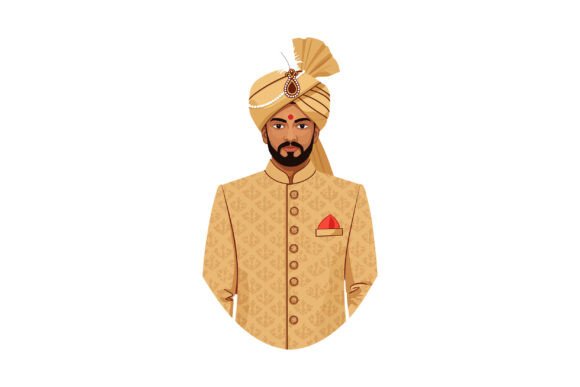
The Timeless Elegance of Indian Groom Traditional Wedding Attire
There’s a moment at every Indian wedding when the groom makes his entrance, and the entire room seems to pause. It’s not just the anticipation—it’s the visual impact of the traditional wedding attire that commands attention. The richly embroidered sherwani, the meticulously tied turban, and the regal accessories create a silhouette that speaks of heritage, formality, and cultural pride. For designers and creatives, this imagery isn’t just ceremonial; it’s a powerful source of visual inspiration that can elevate branding, packaging, and digital storytelling with its unique blend of structure and ornamentation.
A Visual Language of Formality and Cultural Depth
What makes Indian groom traditional wedding attire so visually compelling is its layered symbolism. The sherwani, often crafted from silk or brocade, features intricate threadwork—zardozi, kundan, or gota patti—that tells a story of regional craftsmanship. The turban, or safa, isn’t merely a headpiece; its color, draping style, and embellishments often signify familial or regional identity. Together with accessories like the sehra (bridal veil) and the mojari (traditional footwear), the ensemble creates a balanced composition of texture, pattern, and silhouette.
For designers, this attire offers a masterclass in visual hierarchy. The groom’s outfit typically combines a dominant base color—ivory, gold, maroon, or royal blue—with contrasting embroidery and metallic accents. This approach to color and detail can inform everything from logo design to social media graphics, where a strong central element supported by nuanced details creates depth and engagement.
Practical Applications in Modern Design Projects
Imagine a boutique wedding planning service seeking a brand identity that feels both luxurious and culturally rooted. Using an illustration of a groom in traditional attire as a focal point for their logo or packaging immediately communicates elegance and expertise. The attire’s structured silhouette works beautifully as a standalone mark or as part of a broader visual system for business cards, letterheads, and website headers.
For social media managers and content creators, this imagery is gold. A well-rendered illustration can serve as a hero image for Instagram carousels about wedding trends, as a header for blog posts on cultural celebrations, or as a thematic element in Pinterest graphics. The calm, formal mood of the attire helps set a tone of sophistication—perfect for brands in the luxury, lifestyle, or event planning spaces.
Consider its use in editorial layouts as well. A magazine spread on global wedding traditions could use such an illustration to anchor a feature story, while a digital product—like a printable wedding checklist or a cultural etiquette guide—could use it to add authentic visual interest. Even merchandise like tote bags, greeting cards, or art prints could leverage the design for a niche audience that appreciates cultural artistry.
Enhancing Brand Recognition and Audience Connection
Visual consistency is key to brand recognition, and incorporating a culturally rich motif like traditional wedding attire helps create a distinctive identity. When used across touchpoints—from a website’s favicon to the watermark on promotional videos—it builds a cohesive visual narrative. This isn’t about slapping an image everywhere; it’s about integrating a meaningful element that resonates with your target audience’s values and aesthetics.
For businesses targeting South Asian communities or the global wedding market, this kind of visual shorthand builds immediate trust and relatability. It shows cultural awareness and attention to detail—qualities that translate into perceived professionalism. Even for brands outside the wedding industry, the attire’s themes of celebration, formality, and heritage can be adapted metaphorically. A financial services firm, for example, might use stylized elements from the embroidery to suggest stability and intricate planning.
The downloadable ZIP file containing SVG, EPS, JPG, and PNG formats ensures flexibility across applications. Vector files (SVG, EPS) are ideal for scaling without loss of quality—perfect for large-format prints or detailed logo work. Raster files (JPG, PNG) are ready for digital use, with PNGs offering transparency for layered designs. This versatility makes it a practical asset for designers juggling multiple projects.
Pairing Typography with Cultural Imagery
When using such a distinct visual, your typography choice becomes crucial. A serif font with moderate contrast—like a transitional or modern serif—can complement the attire’s formality without competing with its details. For a more contemporary feel, a geometric sans-serif with clean lines can create an appealing contrast between traditional imagery and modern design. Script fonts should be used sparingly, perhaps for accent text, to maintain readability and avoid visual clutter.
Always test your font pairings in context. Place your chosen typeface alongside the illustration at the intended scale. Does the hierarchy feel balanced? Is the text legible at small sizes, such as in social media thumbnails or packaging labels? Consider the mood: a handwritten font might soften the formality for a more personal brand, while a bold display font could amplify the sense of occasion.
Remember, the goal is harmony, not competition. The attire illustration should enhance your message, not drown it. Use white space strategically to let both the imagery and typography breathe. This thoughtful approach to layout and composition will improve readability and ensure your design feels polished and professional.
Final Thoughts on Integrating Heritage into Design
Working with culturally significant imagery requires respect and understanding. Research the symbolism behind the attire’s elements to ensure accurate and thoughtful representation. When done well, incorporating Indian groom traditional wedding attire into your projects does more than beautify—it tells a story, connects with audiences on a deeper level, and adds a layer of authenticity that generic stock imagery cannot match.
Whether you’re designing a logo for a new wedding startup, creating social media content for a cultural festival, or developing packaging for artisanal products, this visual resource offers a blend of elegance and narrative depth. It’s a reminder that great design often draws from the richness of real-world traditions, transforming them into contemporary assets that resonate across borders and industries.
As you explore the files in the ZIP—each tailored for different design applications—consider how the calm, formal mood of the groom’s attire can set the tone for your next project. Sometimes, the most impactful designs are those that carry a sense of history, crafted with the same care and intention as the garments that inspired them.